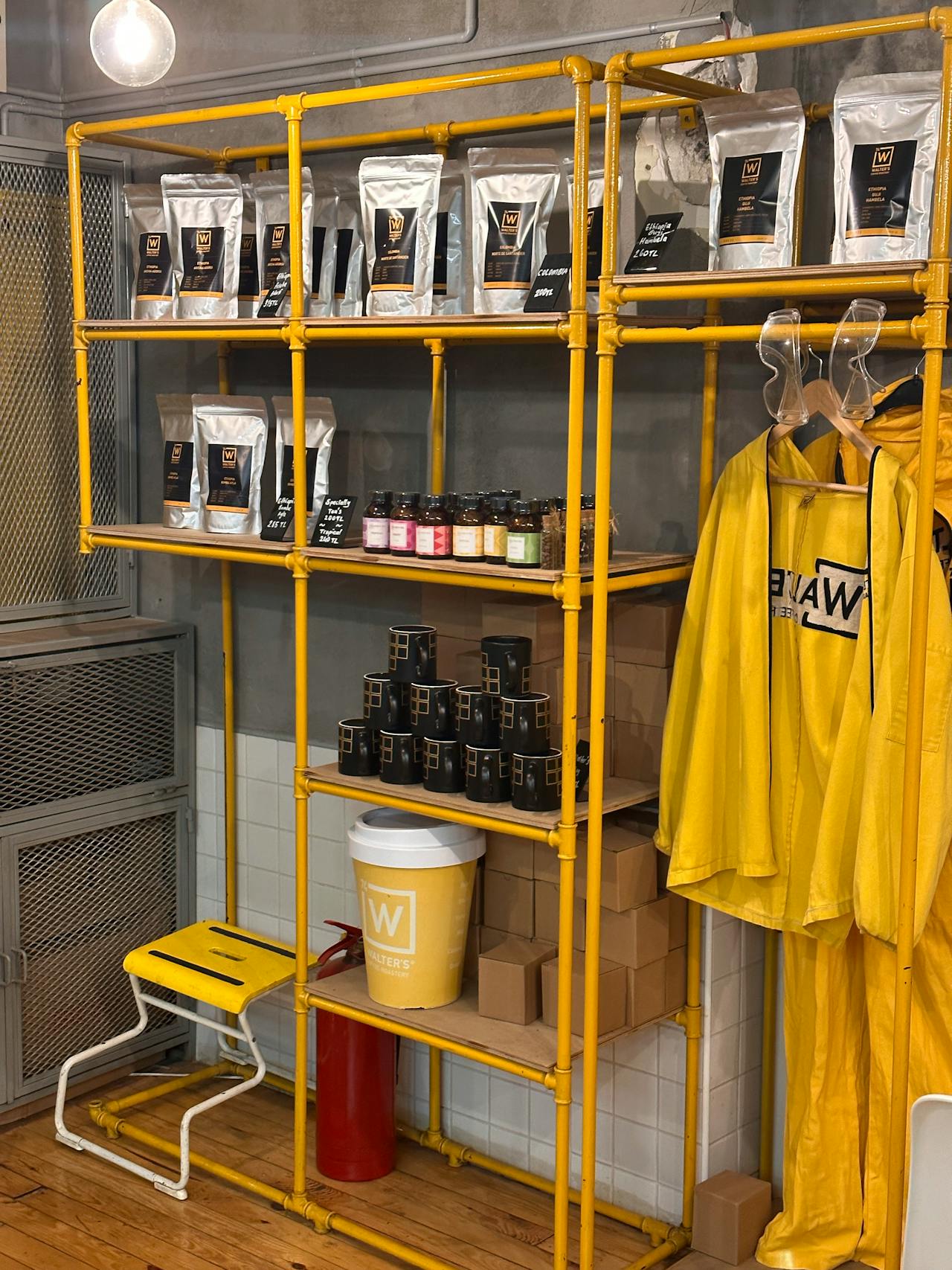
Why Offline Experiences Are Becoming a Powerful Marketing Activation
In a World of Infinite Scrolling, Real-Life Experiences Stand Out
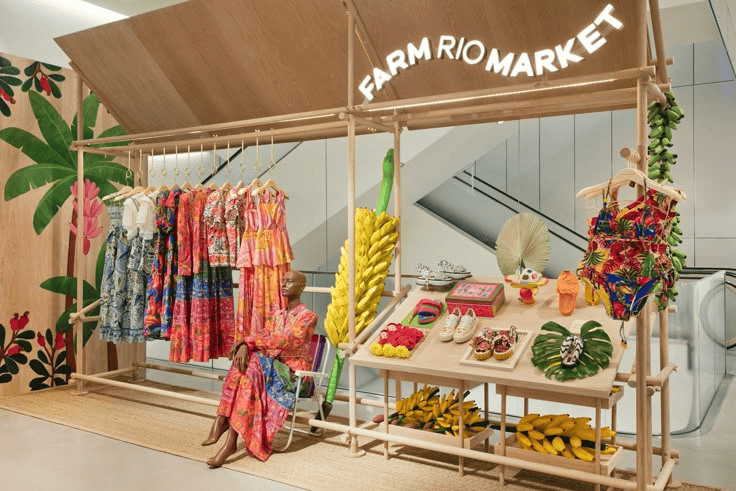
Consumers are exposed to thousands of advertisements every single day.
They scroll through countless social media posts, skip online ads, ignore promotional emails, and swipe past sponsored content in seconds. Attention has become one of the most valuable—and hardest-to-capture currencies in modern marketing.
Yet amidst all this digital noise, something remarkable is happening:
People are craving real-world experiences more than ever.
They want to discover brands in person. They want to touch, taste, smell, interact, and connect. They want memorable moments, not just marketing messages.
This shift is why offline experiences have become one of the most powerful forms of marketing activation available today.
From pop-up shops and pop-ins to experiential retail, beach club activations, immersive brand experiences, and community-driven events, brands are increasingly investing in physical experiences that create genuine human connections.
And the brands that understand this shift are gaining a significant competitive advantage.
What Is a Marketing Activation?
A marketing activation is a campaign, event, or experience designed to bring a brand to life and encourage direct consumer engagement.
Unlike traditional advertising, which focuses on awareness, marketing activations focus on participation.
The goal is not simply to tell consumers about a brand.
The goal is to allow consumers to experience it.
Examples include:
- Pop-up shops
- Pop-ins inside established stores
- Product sampling events
- Brand takeovers
- Experiential retail installations
- Beach club brand activations
- Hotel activations
- Interactive workshops
- Live demonstrations
- Community events
When consumers actively participate, they are far more likely to remember a brand, trust it, and ultimately buy from it.
Why Offline Experiences Are More Powerful Than Traditional Advertising
1. People Remember Experiences More Than Advertisements
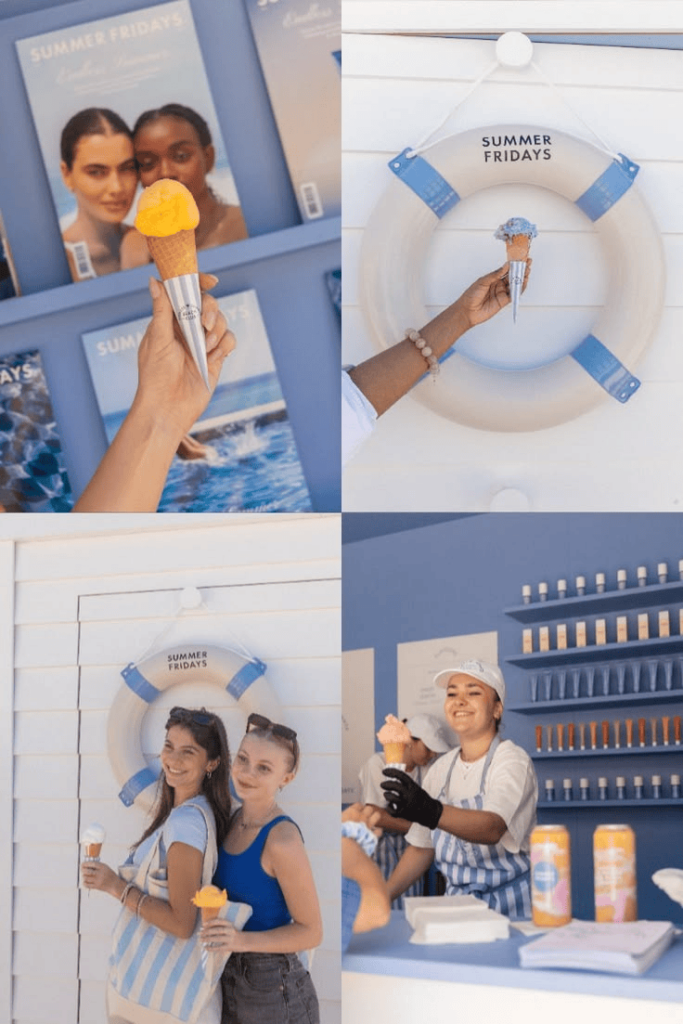
Think about the last Instagram ad you saw.
Now think about the last incredible event, pop-up shop, or immersive experience you attended.
Which one do you remember more clearly?
Research consistently shows that experiences create stronger emotional connections than passive advertising.
When people physically interact with a brand, multiple senses become engaged:
- Sight
- Sound
- Touch
- Smell
- Taste
This multi-sensory engagement creates stronger memories and deeper emotional connections.
A well-executed pop-up activation can generate more lasting brand impact than months of digital advertising.
2. Offline Experiences Create Authentic Human Connection
Consumers today are increasingly skeptical of marketing.
They have learned to question online reviews, influencer endorsements, and paid advertisements.
What they trust is real human interaction.
Offline experiences allow brands to:
- Answer questions directly
- Demonstrate products
- Build relationships
- Gather feedback
- Create conversations
These face-to-face interactions build trust in ways that digital channels simply cannot replicate.
3. Experiential Marketing Generates Organic Content
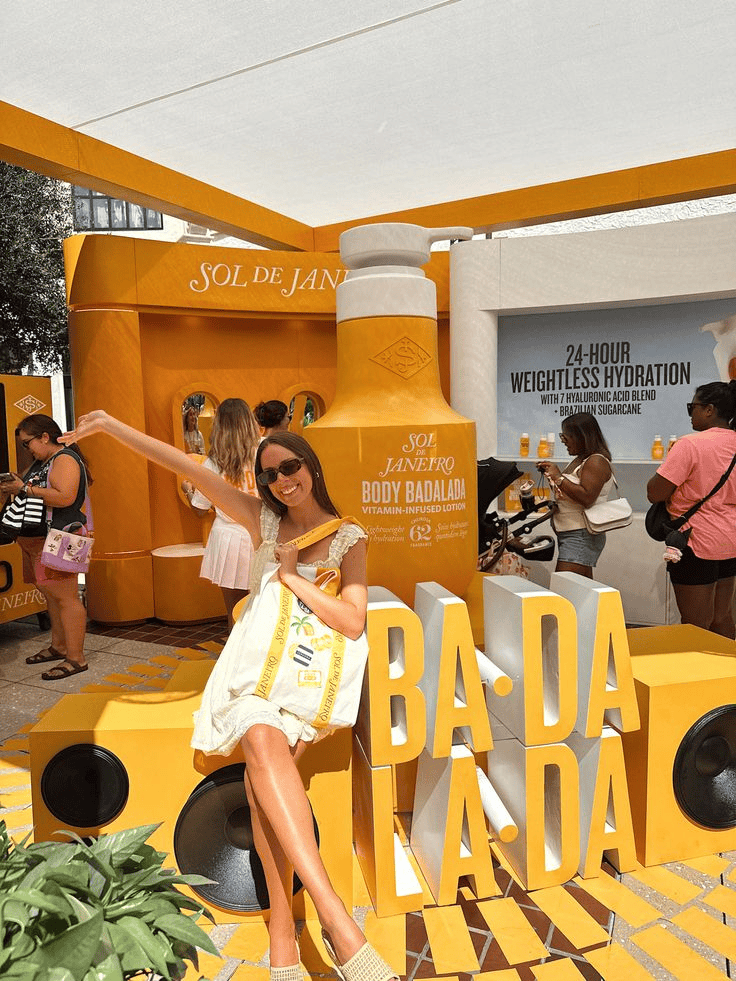
Ironically, some of the most successful offline experiences become powerful online marketing tools.
When people attend an exciting activation, they naturally want to share it.
They post:
- Instagram stories
- TikTok videos
- LinkedIn posts
- YouTube content
- Photos with friends
Suddenly, one physical activation creates hundreds—or even thousands—of pieces of user-generated content.
The result?
Brands gain both offline engagement and online visibility.
The Rise of Pop-Ups and Pop-Ins
One of the biggest shifts in retail and brand activation is the growing popularity of temporary physical spaces.
Traditional Pop-Ups
A traditional pop-up typically involves renting an empty retail space for a limited period.
Brands use these spaces to:
- Launch products
- Test markets
- Increase visibility
- Drive sales
While effective, traditional pop-ups often require:
- Significant setup costs
- Furniture and fixtures
- Marketing investment
- Staff and logistics
The Evolution: Pop-Ins
At Merry Popin, we believe the future goes beyond traditional pop-ups.
We call it the Pop-In Economy.
A pop-in allows a brand to showcase its products or services inside an existing business.
Instead of renting an empty space and starting from scratch, brands can activate within:
- Boutiques
- Hotels
- Concept stores
- Coffee shops
- Showrooms
- Beach clubs
- Wellness spaces
This approach provides immediate access to:
- Existing foot traffic
- Established customer communities
- Built-in credibility
- Reduced costs
Rather than creating traffic, you tap into traffic that already exists.
Why Beach Clubs Are Emerging as Premium Brand Activation Destinations
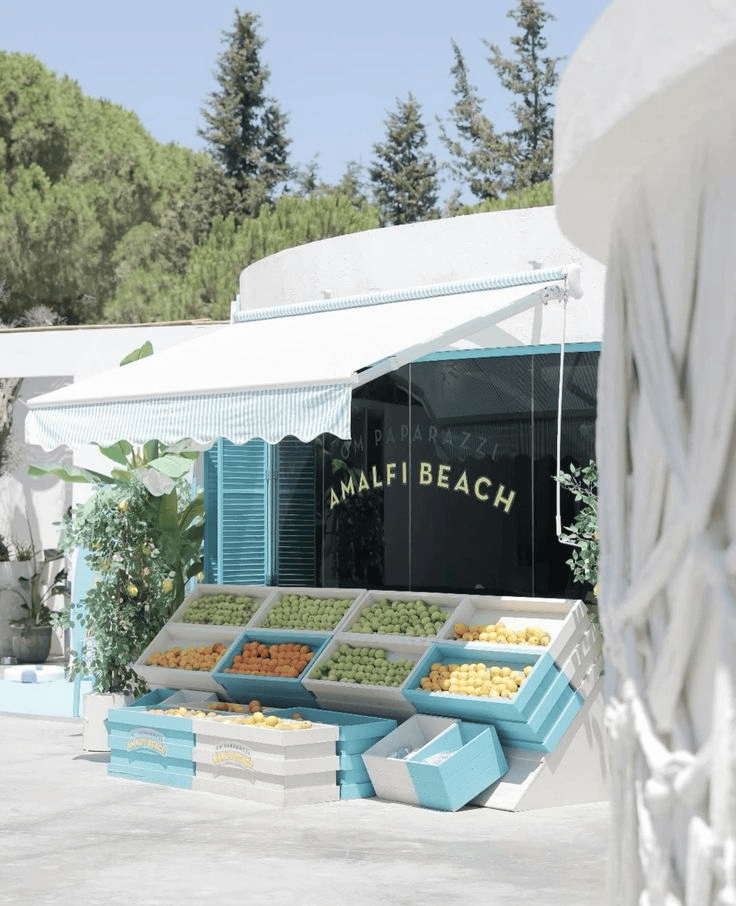
One of the fastest-growing trends in experiential marketing is the rise of beach club activations. Beach clubs offer a unique combination of:
- Lifestyle
- Leisure
- Travel
- Social interaction
- Aspirational experiences
Consumers arrive relaxed, engaged, and open to discovery.
Unlike traditional retail environments, beach clubs create an emotional setting where brands can naturally integrate into the consumer experience.
Popular beach club activations include:
- Beauty product launches
- Fashion pop-ins
- Wellness experiences
- Beverage tastings
- Luxury brand showcases
- Fitness activations
- Sustainability campaigns
The French Riviera, Miami, Ibiza, Mykonos, Tulum, and other coastal destinations are becoming hotspots for experiential marketing because they attract highly engaged audiences actively seeking memorable experiences.
Why Consumers Are Returning to Physical Spaces
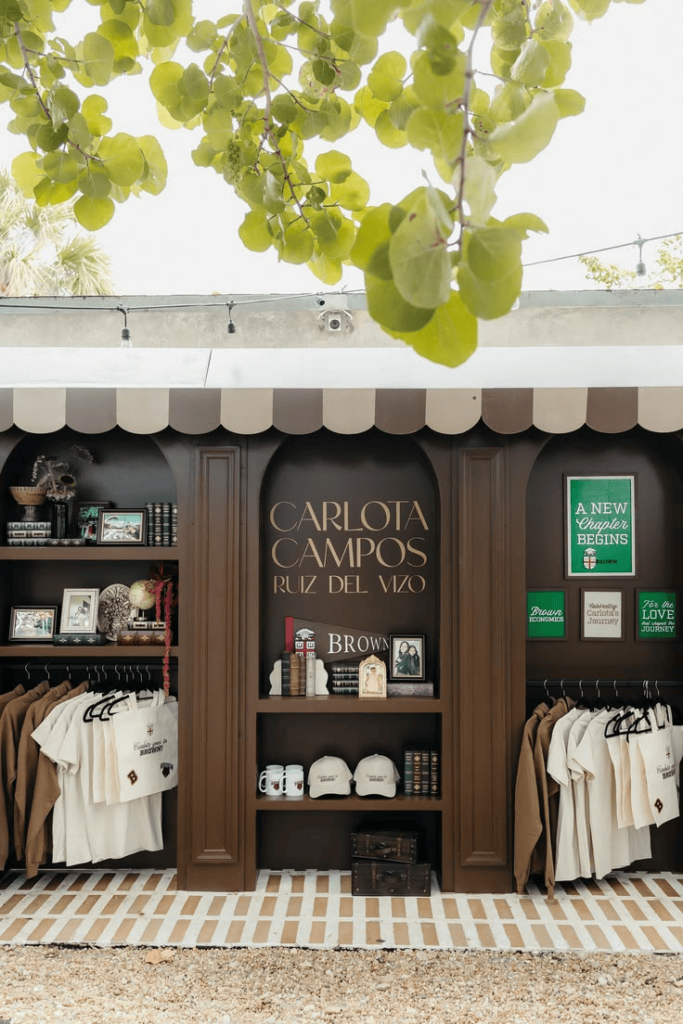
Despite the growth of e-commerce, physical retail is not disappearing. It is evolving.
Consumers increasingly use online channels to discover products but still seek physical experiences before making purchasing decisions.
People want:
- To touch products
- To try before buying
- To meet founders
- To experience brands firsthand
- To participate in communities
This explains why many digitally native brands eventually open physical locations or invest in experiential activations.
Physical presence creates credibility.
The Future of Brand Discovery
The future of marketing is not online or offline. It is both.
The strongest brands are creating seamless journeys between digital and physical touchpoints.
A customer might:
- Discover a brand on Instagram
- Attend a pop-in activation
- Meet the founder
- Try the product
- Follow the brand online
- Become a customer
- Share the experience with friends
Every interaction reinforces the next.
Offline experiences become the bridge between awareness and loyalty.
Why Small Businesses Should Pay Attention
Experiential marketing is no longer reserved for large corporations with massive budgets.
Today, small businesses can leverage:
- Pop-ins
- Shared retail spaces
- Community events
- Collaborative activations
- Local partnerships
to create meaningful customer experiences without enormous costs.
In fact, smaller brands often have an advantage because consumers increasingly value authenticity, personal connection, and founder-led storytelling.
The Future Belongs to Brands That Create Experiences
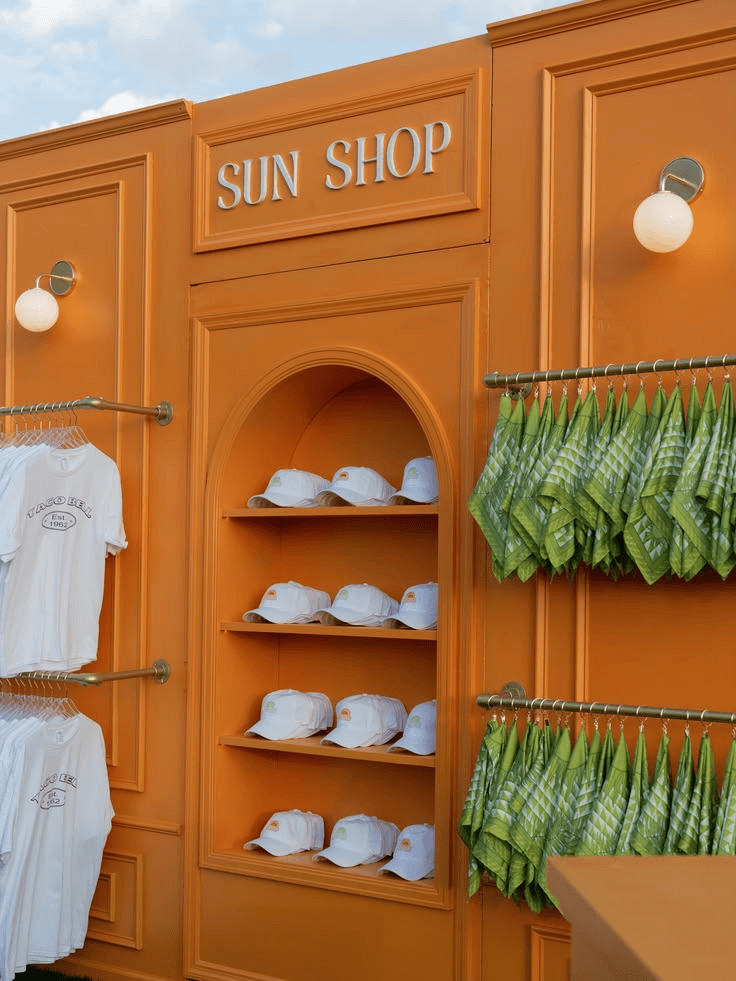
Consumers are no longer simply buying products.
They are buying stories.
They are buying communities.
They are buying memories.
And increasingly, they are buying experiences.
As digital channels become more crowded and attention becomes more expensive, offline experiences are emerging as one of the most effective ways to build awareness, trust, engagement, and long-term loyalty.
Whether through pop-up shops, pop-ins, experiential retail, hotel activations, beach club activations, or immersive brand experiences, the brands that create meaningful real-world connections will be the ones consumers remember.
Because long after someone forgets an advertisement, they remember how a brand made them feel.